
Networking in Aviation: How to Build Professional Connections That Advance Your Career
Nov 13, 2026 · 5 min read
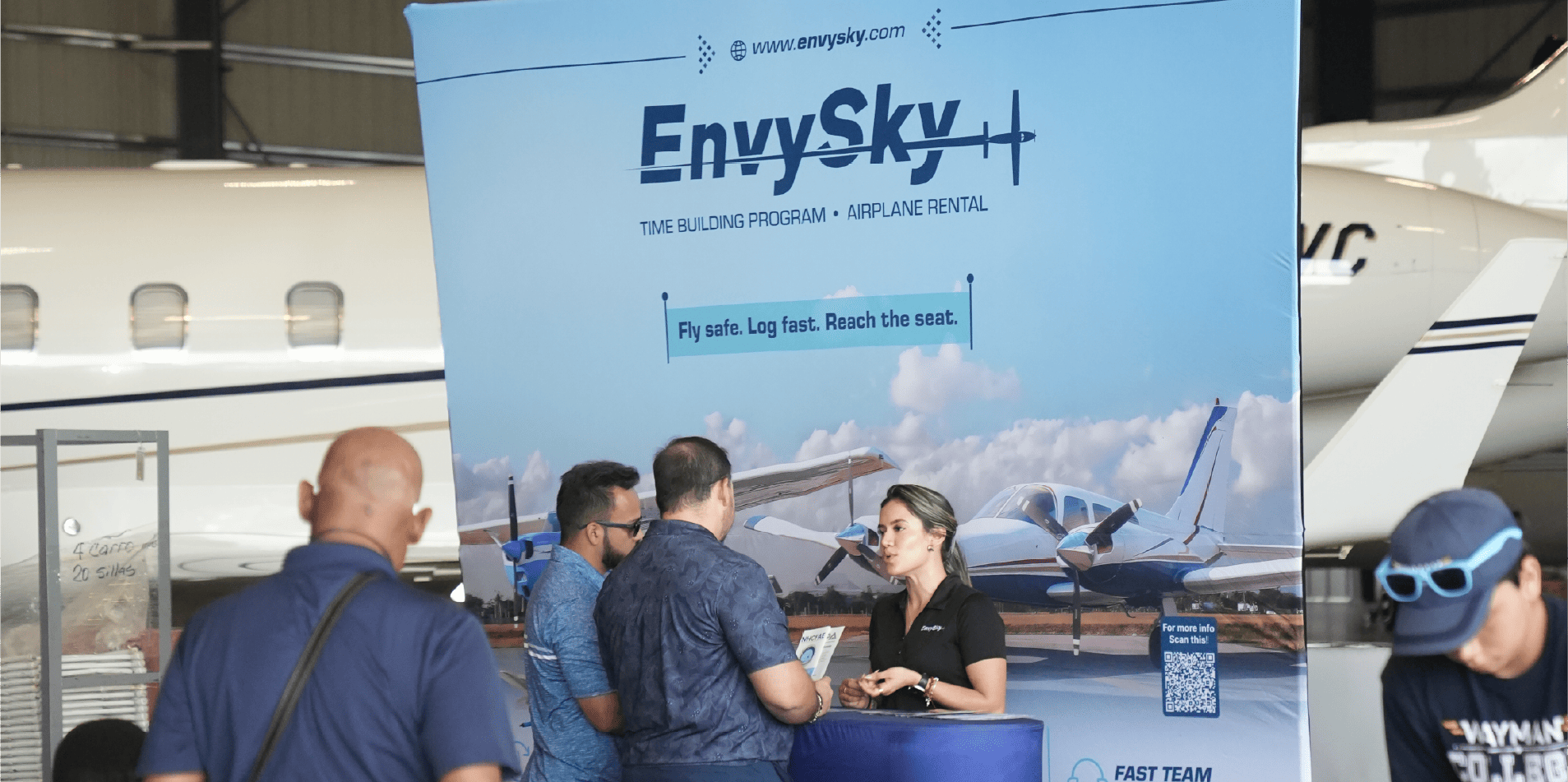
Your aviation career is built on more than flight hours and certificates. The people you meet, the relationships you develop, and the professional reputation you establish can all influence the opportunities ahead.
Why Is Networking Important in Aviation?
Aviation is a relatively interconnected industry. From flight instructors and maintenance technicians to airline pilots, recruiters, and chief pilots, professionals often cross paths throughout their careers.
For pilots starting out, these connections can provide valuable guidance, industry knowledge, mentorship, and awareness of potential job opportunities.
Networking, however, is not simply about knowing the right people or asking someone to help you get hired. It is about building genuine professional relationships over time.
A conversation with an instructor, a fellow pilot, or an experienced captain might introduce you to a different career path, help you understand an employer's expectations, or give you advice that changes how you approach your next milestone.
1. Start Building Connections During Flight Training
You don't need to wait until you have your Commercial Pilot License (CPL) to start networking.
Flight training is one of the best environments to begin developing professional relationships. Your instructors, classmates, dispatchers, and other aviation professionals can become part of your network.
Make an effort to:
- Build professional relationships with your flight instructors.
- Connect with other students and learn from their experiences.
- Ask experienced pilots about their career paths.
- Participate in aviation activities and school events.
- Maintain a positive and professional attitude around the airport.
Remember that your reputation starts developing long before your first professional flying job.
Being reliable, prepared, respectful, and willing to learn can leave a stronger impression than simply introducing yourself to as many people as possible.
2. Make the Most of Your Time at the Airport
Airports are more than places where aircraft take off and land. They are professional environments where pilots, mechanics, instructors, operators, and aviation businesses interact every day.
Spending time in these environments gives you opportunities to learn about different areas of the industry and meet people with different levels of experience.
If you're building flight hours, for example, you may interact with other pilots who are working toward their ATP requirements, preparing for airline interviews, or exploring opportunities in charter and corporate aviation.
Be approachable, show genuine interest in other people's experiences, and take advantage of natural opportunities to start conversations.
You never know which professional relationship may become valuable later in your career.
3. Attend Aviation Events and Industry Gatherings
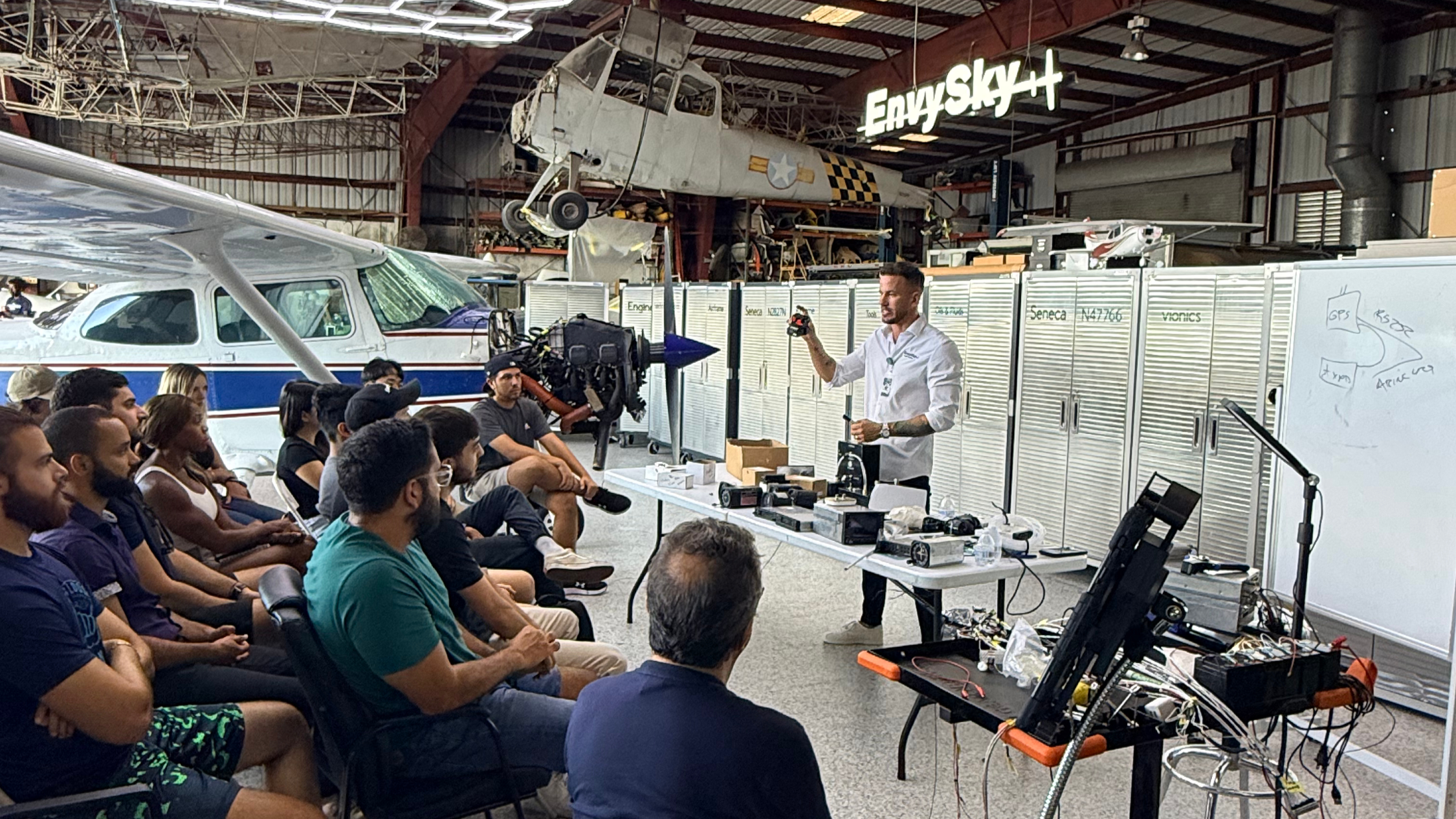
Aviation events are excellent opportunities to expand your professional network beyond your flight school or local airport.
Consider attending:
- Aviation conferences: Learn about industry developments and meet professionals from different sectors.
- Pilot career fairs: Connect with airline recruiters and learn about hiring requirements.
- Airshows: Meet aviation enthusiasts, pilots, aircraft operators, and industry representatives.
- Professional association events: Participate in discussions, workshops, and networking activities.
In the United States, organizations and events such as EAA AirVenture Oshkosh, NBAA events, and gatherings organized by professional pilot associations can help you meet people across the aviation industry.
Before attending, research the event, identify the organizations or professionals you would like to meet, and prepare a short introduction about your background and career goals. The objective isn't to collect business cards. It's to have meaningful conversations.
4. Use LinkedIn to Build Your Aviation Network
Your professional network shouldn't be limited to the people you meet in person.
LinkedIn is a useful platform for connecting with pilots, recruiters, flight instructors, aviation companies, and other professionals.
Start by creating a profile that clearly communicates your aviation background.
Include relevant information such as:
- Your current pilot certificates and ratings.
- Flight experience and total logged hours.
- Aircraft and equipment experience, when relevant.
- Previous professional experience.
- Your current career goals.
You can also follow airlines, flight schools, charter operators, and aviation organizations to stay informed about industry developments.
When connecting with someone, avoid sending generic requests. A short, personalized message explaining why you would like to connect is more effective.
For example:
"Hi John, I'm currently building flight hours in Florida while working toward my next aviation career milestone. I've been following your experience in regional aviation and would appreciate the opportunity to connect and learn from your professional journey."
Keep your interactions professional, respectful, and authentic.
5. Learn How to Start a Meaningful Conversation
One of the biggest challenges in networking is knowing what to say, especially when you're approaching someone with considerably more experience.
The good news is that you don't need an impressive introduction or a perfect conversation starter.
Genuine curiosity is often enough.
Instead of immediately asking someone about job opportunities, try questions that encourage them to share their experience:
- What was your path into professional aviation?
- What skills helped you the most during your first flying job?
- What would you recommend to someone preparing for their first airline interview?
- What should pilots focus on while building flight hours?
- What changes have you noticed throughout your aviation career?
Listen carefully, respect their time, and avoid turning every interaction into a request for assistance.
A good professional relationship develops through mutual interest and consistent communication.
6. Follow Up and Maintain Your Connections
Meeting someone is only the beginning. Maintaining that relationship is what makes networking valuable over time. After a meaningful conversation, send a brief message thanking them for their time. If you connected through LinkedIn, you can also mention something specific you discussed.
Stay in touch occasionally by sharing relevant industry updates, congratulating them on professional milestones, or checking in when you have something meaningful to discuss.
You should also look for opportunities to contribute to your network.
Share useful information, support other pilots, recommend resources, and offer help when appropriate.
Networking works best when relationships are not built around what you can receive, but also around what you can contribute.
7. Build a Professional Reputation That People Remember
Your professional reputation is one of your most valuable career assets.
In aviation, technical knowledge and flying skills are essential, but professionalism, communication, accountability, and teamwork also matter.
Whether you're a student pilot, a flight instructor, or an experienced commercial pilot, the way you conduct yourself can influence how others perceive you.
Focus on developing habits such as:
- Being punctual and prepared.
- Communicating clearly and respectfully.
- Taking responsibility for your decisions.
- Staying open to feedback.
- Demonstrating a commitment to safety.
- Treating every member of the aviation community with respect.
People may forget where they first met you, but they are more likely to remember how you worked, communicated, and treated others.
Final Thoughts: Your Aviation Network Grows With Your Career
Building a career in aviation takes time, preparation, and consistent effort. Your certificates and flight hours help you qualify for opportunities, but the professional relationships you develop can also help you understand the industry and navigate your career.
Start connecting with people during flight training. Participate in aviation communities, attend industry events, develop your professional presence online, and stay in touch with the people you meet.
You don't need hundreds of connections. You need genuine professional relationships built on trust, respect, and shared interests.
Because in aviation, every flight can take you somewhere new—and every connection can introduce you to a new perspective.
Build Experience and Connections With EnvySky
At EnvySky, we believe that developing as a pilot involves more than accumulating flight hours. It's also about learning from other aviation professionals, gaining experience, and preparing for the next stage of your career.
Our Time Building programs in Florida provide pilots with an environment to build flight experience while connecting with others who share similar professional goals.
Explore our available packages and take the next step in your aviation journey.
Visit EnvySky Time Building to learn more.