
AI in the Cockpit: Friend, Foe, or Future Co-Pilot?
Nov 9, 2026 · 4 min read
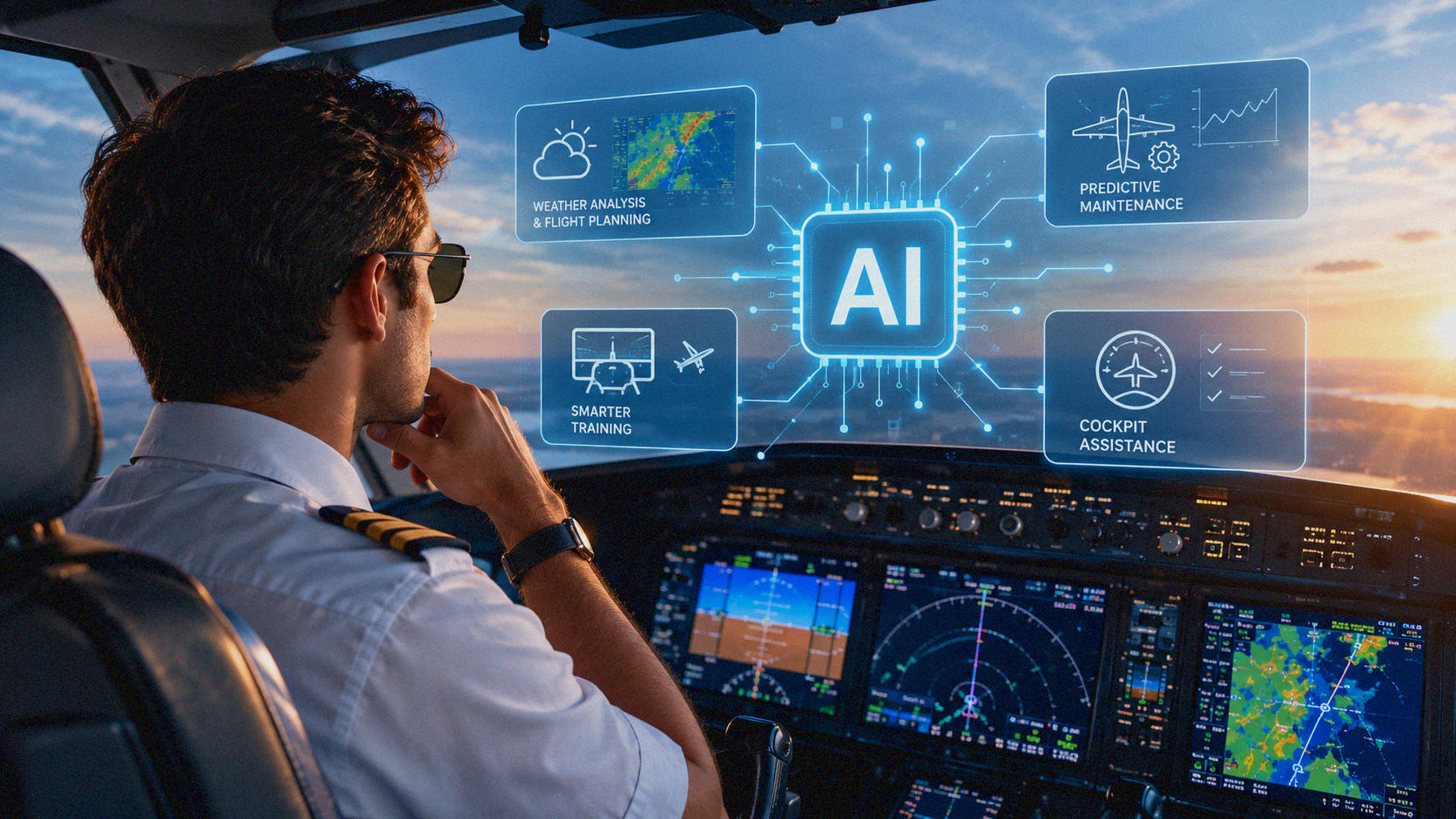
Artificial intelligence is changing how people learn, work, and make decisions—and aviation is no exception. AI in the cockpit is becoming an increasingly relevant topic as technology transforms the way pilots operate and interact with aircraft.
From flight planning and advanced simulators to predictive maintenance and cockpit automation, AI is playing an increasingly important role in the aviation industry.
But what does this mean for aspiring pilots? Will AI make flying safer and more efficient, or create new risks for those responsible for operating an aircraft?
The answer depends on how the technology is used. AI can be a powerful tool, but it cannot replace sound judgment, proper training, or a pilot's responsibility for safety.
How Is AI in the Cockpit Changing Aviation?
AI is already being explored and applied across several areas of aviation, helping professionals process information and improve certain workflows.
Flight planning: AI tools can help organize weather information, review routes, and create preparation checklists. However, pilots must verify critical information using current, authoritative aviation sources.
Predictive maintenance: By analyzing aircraft data and maintenance records, certain systems can help identify patterns that may indicate developing mechanical issues. These tools support maintenance decisions but do not replace required inspections.
Flight training: AI-powered learning tools can generate practice questions, adapt exercises to a student's progress, and help pilots review difficult concepts. Simulators also allow students to practice challenging scenarios in a controlled environment.
Cockpit automation: Advanced systems can help process flight information and alert pilots to certain conditions. Their effectiveness depends on system reliability, proper design, and the pilot's ability to interpret the information.
These applications offer opportunities to improve efficiency, but their capabilities and approval status vary.
2. The Benefits: How AI Can Help Pilots
When used responsibly, AI can support a pilot's preparation, learning, and decision-making.
- More efficient preparation: Organize study materials, create checklists, and review flight-planning concepts.
- Personalized learning: Identify knowledge gaps and practice topics that need additional attention.
- Better information management: Help pilots organize complex information and recognize details that may require further review.
- More effective training: Generate practice scenarios and support learning between flights.
For student pilots preparing for FAA knowledge tests, AI can be particularly useful for explaining complex concepts in simpler language.
However, AI-generated information can be inaccurate. Always verify technical explanations against FAA publications, approved training materials, and guidance from qualified instructors.
3. The Risks: When AI Becomes a Problem
The biggest risk is not necessarily the technology itself, but how people rely on it.
Overreliance on automation: Pilots who trust automated recommendations without checking them may overlook important information or make poor decisions.
Incorrect information: Generative AI can produce convincing but inaccurate answers. It should not be treated as an authoritative source for real-time flight decisions, aircraft limitations, or emergency procedures.
Loss of manual proficiency: Excessive dependence on automation can make it harder to respond confidently when systems fail or behave unexpectedly.
System reliability and cybersecurity: Connected aviation technologies require appropriate safeguards, testing, and monitoring to reduce the risks associated with unreliable data or system failures.
The lesson is simple: technology should support a pilot's judgment, not replace it.
4. Will AI Replace Pilots?
As automation becomes more advanced, many aspiring pilots wonder whether AI will eventually replace human pilots.
AI may automate or assist with specific tasks, and autonomous aircraft may expand in certain applications. However, the extent and pace of these changes remain uncertain.
Operating an aircraft involves more than following a route. Pilots must evaluate changing conditions, communicate with air traffic control, manage unexpected situations, coordinate with others, and make decisions when information is incomplete.
These responsibilities require training, situational awareness, and sound judgment.
Rather than assuming AI will eliminate pilot jobs—or that the profession will never change—aspiring pilots should focus on developing the skills needed to work effectively with evolving technology.
5. How Can Student Pilots Prepare for an AI-Driven Future?
You don't need to become an AI expert to prepare for the future of aviation. You need to understand the fundamentals and learn how to evaluate information critically.
Master the basics first. Build a strong foundation in aerodynamics, meteorology, navigation, aircraft performance, and FAA regulations.
Use AI as a study assistant. Ask it to explain difficult concepts, generate practice questions, or help structure your study plan. Verify its answers with reliable sources.
Understand your aircraft's systems. Learn the capabilities and limitations of the avionics and automation you operate.
Maintain your manual skills. Continue developing your flying abilities and practice appropriate abnormal scenarios with your instructor.
Verify before you trust. When using any AI tool, ask whether the information is current, relevant, and supported by an authoritative source.
These habits can help you become a more adaptable and responsible aviation professional.
6. Friend, Foe, or Future Co-Pilot?
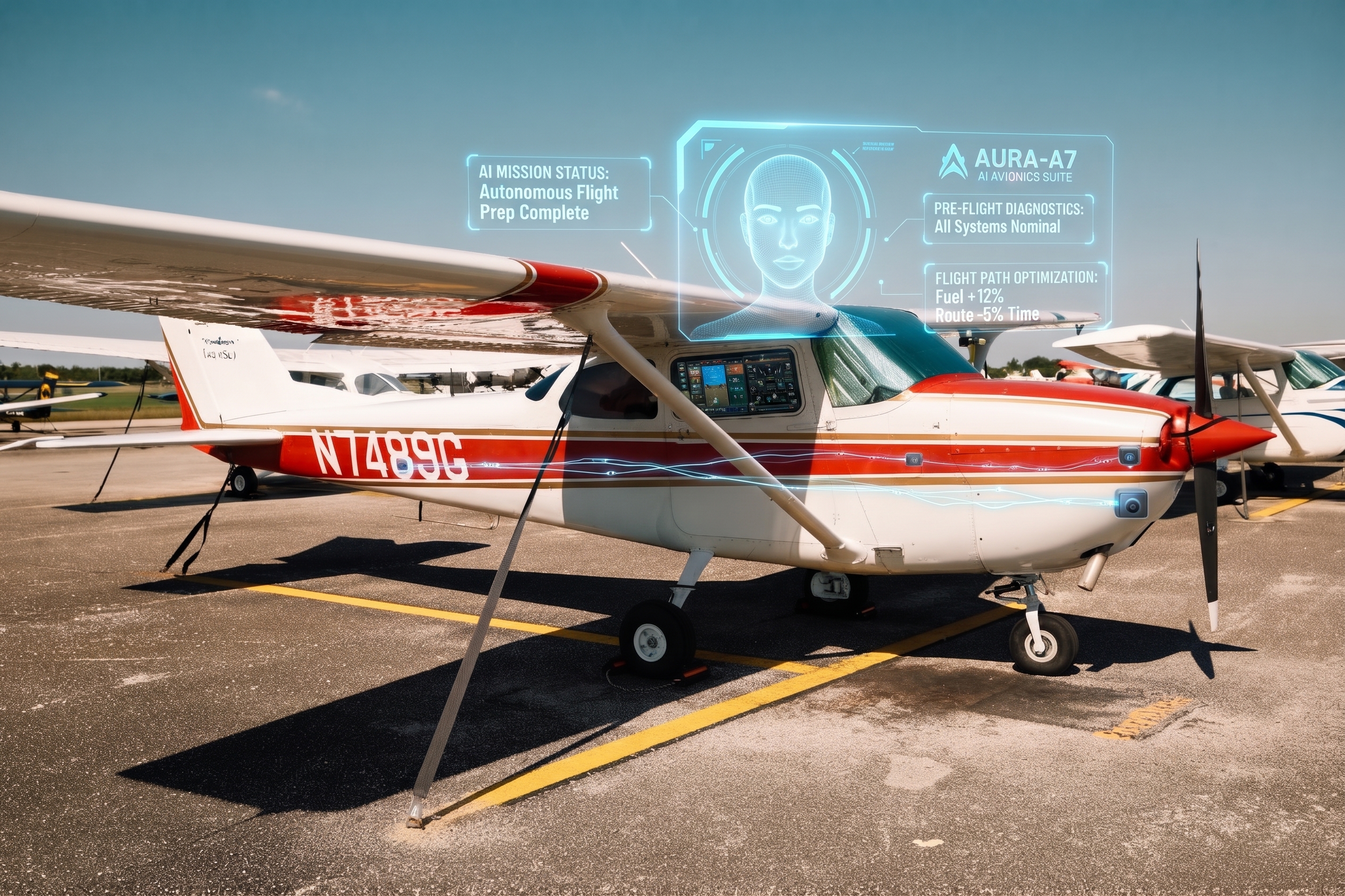
AI can be a useful assistant when it helps pilots learn, organize information, and recognize potential issues. It can also introduce risks when its limitations are misunderstood or its recommendations are accepted without verification.
The future of aviation will likely involve an evolving relationship between pilots and technology. The challenge is to ensure that automation strengthens human performance rather than creating new vulnerabilities.
The best pilots won't simply know how to use technology. They'll know when to trust it, when to question it, and when to rely on their own training.
As you build your aviation career, remember that technology will continue to evolve, but preparation, discipline, and safety will remain essential.
Build Your Hours With EnvySky Time Building
Building a professional aviation career requires consistent experience, sound decision-making, and a commitment to continuous learning.
EnvySky Time Building offers structured flight-hour packages for pilots working toward their career goals, with shared-time options for eligible pilots and wet rates that include fuel and oil according to the applicable package terms.
If you're planning your next career milestone, explore the available options and find out how EnvySky can support your time-building goals.
Visit envysky.com/timebuilding to learn more.
Build your hours with purpose. Keep learning. Stay ready for what's next.